

Historic Preservation
Historic preservation boards use MuniCollab to ensure that reviews are thorough, efficient, and transparent. Applying a close lens to the details of each project no longer needs to mean a slower review. Our platform helps preservation boards protect community character while respecting property owners’ time and keeping projects moving forward.

The Detail-Intensive Nature of Preservation Review
Historic preservation review demands meticulous attention to architectural details, materials, colors, and design elements, but paper-based processes turn this necessary thoroughness into an administrative nightmare. Applicants submit inadequate photos that don’t show the details board members need to see. Staff spend hours cross-referencing design guidelines and preparing comparison materials. Board members struggle to visualize proposed changes when reviewing projects at meetings. Meanwhile, property owners grow frustrated with review timelines that seem to drag on without clear milestones, creating tension between preservation goals and practical project needs.

Organize Detail-Rich Reviews Digitally
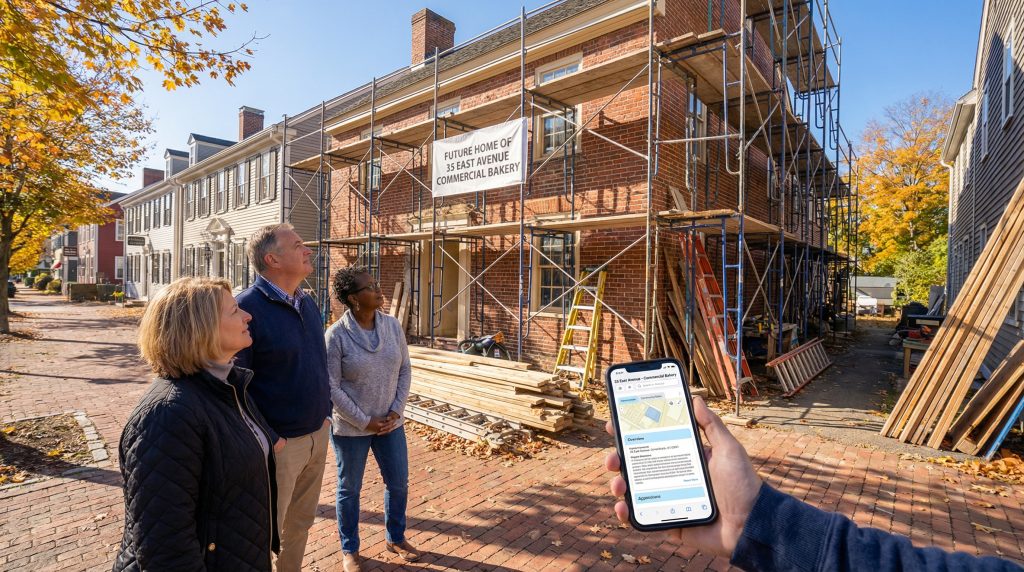
Bring historic design review into the digital age without losing the careful attention to detail that makes historic preservation meaningful. Our platform allows applicants to upload high-resolution photos with notes highlighting specific architectural elements. Staff can request specific documentation—like material samples, paint colors, or construction details—and track submissions for each element of the review. Historic district guidelines and design standards appear in-line with application questions, helping property owners understand requirements before they submit.
Accelerate Review Without Compromising Standards
Streamlined workflows ensure nothing falls through the cracks while moving projects forward systematically. Assign staff or commission members to review specific elements—one person focuses on architectural details, another on landscape features, a third on signage. The AI assistant can flag potential concerns by comparing submissions against design guidelines, giving reviewers a head start. All review comments and requested changes are tracked in one place, eliminating confusion about what still needs to be addressed.
Build Community Trust Through Transparency
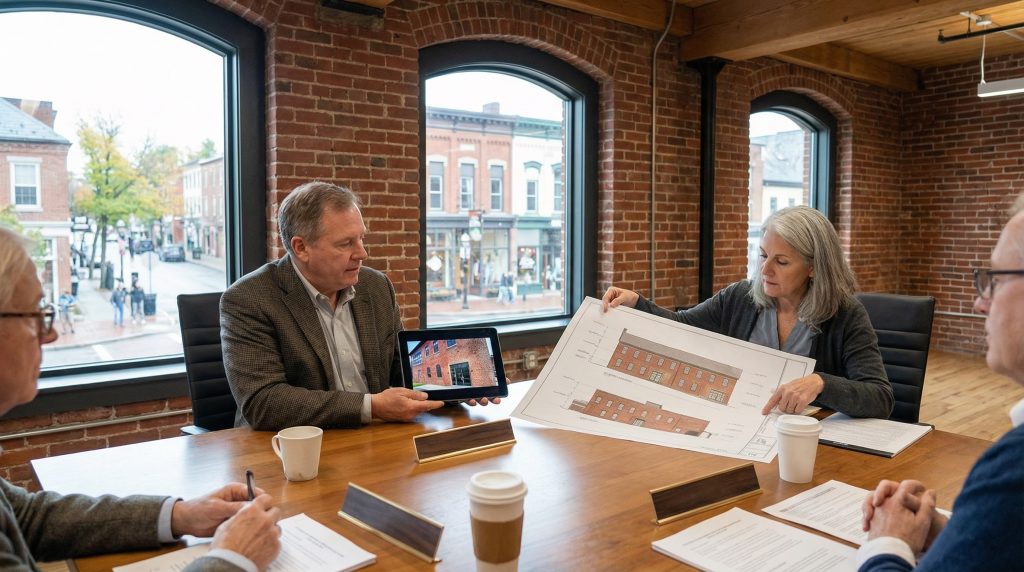
Historic preservation often faces community scrutiny; make your process visible and defensible. The public portal allows neighbors and preservation advocates to see proposed changes to historic properties and submit comments during review periods. Board members access complete project histories showing how designs evolved through the review process. When final certificates of appropriateness are issued, the full record demonstrates that decisions were based on published guidelines and thorough analysis—protecting historic resources from undue alteration and protecting your review board from criticism.
